- First release
- Apr 09, 2013
- Developer
- Ensemble Studios, Hidden Path Entertainment
- Publisher
- Microsoft Studios
- Engine
- Genie Engine
- Genres
- Strategy, Real Time Strategy (RTS) · Warfare, Historical
- Platforms
- PC (Microsoft Windows)
… See more
, Age of Empires II (Retired), Launcher.exeAttributes
Details
Storyline, release dates, time to beat, age ratings, modes, links, keywords
- Storyline
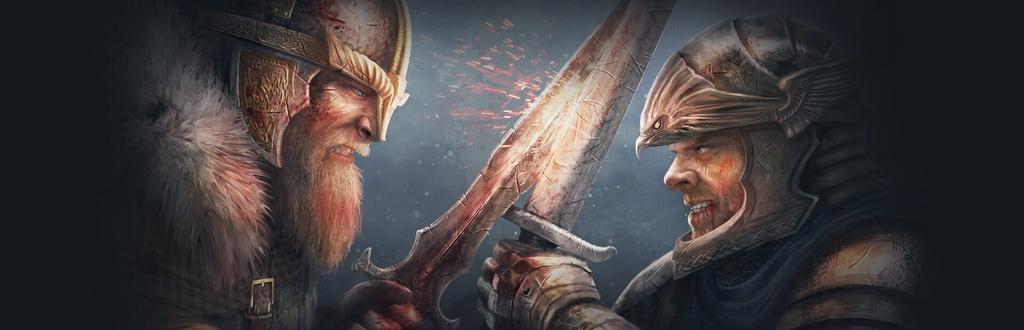
The player has control over a society and guides them through four different time periods or "ages". The game begins in the Dark Age, where very few buildings and units are available. After a short time when requirements are met, the user gains the ability to advance their civilization beginning with the Feudal Age, where more upgrades, buildings, and units become available. The next age is the Castle Age, in which the powerful Castle may be built, and used to produce powerful units including the unique unit of each civilization. Finally, the user can reach the Imperial Age, which is reminiscent of the early years of the Renaissance. Once the user has reached the Imperial Age, they gain access to all the upgrades, units, and buildings that may be built and researched for their specific civilization. The player directly controls Villagers, which are the most important economic unit in the game. The player has the power to order them to move or attack (all units except for Trade Carts, Transport Ships and Trade Cogs), construct new buildings, gather necessary resources (Villager units), and perform a range of other tasks, such as repair damaged buildings or garrison inside Castle or Town Center for safety.Read more
The player has control over a society and guides them through four different time periods or "ages". The game begins in the Dark Age, where very few buildings and units are available. After a short time when requirements are met, the user gains the ability to advance their civilization beginning with the Feudal Age, where more upgrades, buildings, and units become available. The next age is the Castle Age, in which the powerful Castle may be built, and used to produce powerful units including the unique unit of each civilization. Finally, the user can reach the Imperial Age, which is reminiscent of the early years of the Renaissance. Once the user has reached the Imperial Age, they gain access to all the upgrades, units, and buildings that may be built and researched for their specific civilization. The player directly controls Villagers, which are the most important economic unit in the game. The player has the power to order them to move or attack (all units except for Trade Carts, Transport Ships and Trade Cogs), construct new buildings, gather necessary resources (Villager units), and perform a range of other tasks, such as repair damaged buildings or garrison inside Castle or Town Center for safety.
- Release dates
- PC (Microsoft Windows)
- Apr 09, 2013
- Age ratings
- ESRB T
- Game modes
- Co-operative, Multiplayer, Single player
- Perspective
- Bird view / Isometric
- External links
- Steam (opens in a new tab)Fandom (opens in a new tab)X (opens in a new tab)YouTube (opens in a new tab)Facebook (opens in a new tab)Wikipedia (opens in a new tab)Discord (opens in a new tab)Instagram (opens in a new tab)Official site (opens in a new tab)
- Keywords
- real-time
At a Glance
- Critic Score
- 50
Overview
Steam review summary
Steam users rate this Overwhelmingly Positive, 84,896 reviews in all languages, recorded 16 October 2026
Valve's summary of Steam user reviews. Valve counts only reviews from purchases on Steam, not key activations, and leaves out review periods it has marked as off-topic. It isn't part of the CritScore score.
Review summary: SteamSteam data provided via the Steam Web API (opens in a new tab)Not affiliated with Valve →
Multiplayer
- Online multiplayerIGDB · 30 Oct
- Online co-opIGDB · 30 Oct
- Local co-opIGDB · 30 Oct
- LAN co-opIGDB · 30 Oct
- Co-op campaignIGDB · 30 Oct
Feature data: IGDB
How it plays
From Steam
- Strategy
- RTS
- Medieval
- Multiplayer
- Classic
- Historical
- Base Building
- City Builder
Tags: SteamSteam data provided via the Steam Web API (opens in a new tab)Not affiliated with Valve →
Languages
- Englishinterface, audio
- Deutschinterface, audio
Language data: IGDB · recorded 30 Oct 2026
Features
Steam features
- Steam Achievements
- Steam Cloud saves
- Steam Workshop
- Steam Family Sharing
Feature data: SteamSteam data provided via the Steam Web API (opens in a new tab)Not affiliated with Valve →
Steam Deck
Valve rates this game Verified · recorded 16 Oct 2026
Check on Steam →Steam Deck compatibility data: Valve, via the Steam Web APISteam data provided via the Steam Web API (opens in a new tab)Not affiliated with Valve →
Media
Screenshots
Videos
Community
Player reviews
Be the first to review
Behind the game
Related
Similar games
 Age of Empires IV2021, critic score 82
 Knights of Honor II: Sovereign2022, critic score 76
 Sudden Strike 42017, critic score 66
 Sid Meier's Gettysburg!1997
 Steel Division 22019, critic score 61
 Praetorians2003, critic score 84
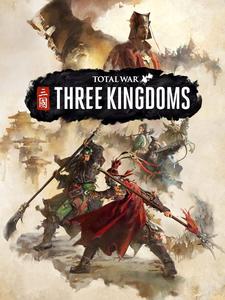 Total War: Three Kingdoms2019, critic score 82
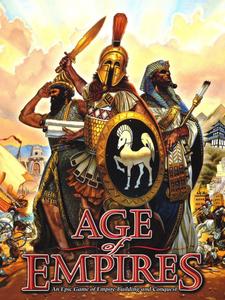 Age of Empires1997
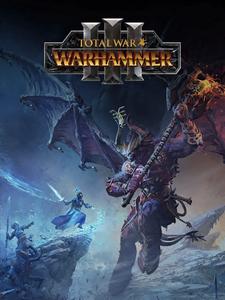 Total War: Warhammer III2022, critic score 78
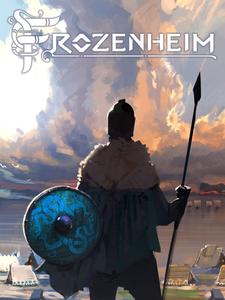 Frozenheim2022, critic score 75
About storefront and compatibility information
Compatibility, feature and availability information shown on this page is recorded from the storefronts and services named against each fact, on the dates shown. Steam and the Steam logo are trademarks of Valve Corporation; Steam data is provided via the Steam Web API. Other product and service names are trademarks of their respective owners. CritScore is not affiliated with, endorsed by, sponsored by or certified by Valve Corporation or any other storefront or platform holder, and does not itself test or certify any game.
