

Wasteland
- First release
- Jan 02, 1988
- Developer
- Interplay Productions
- Publisher
- Electronic Arts
- Genres
- Role-playing (RPG), Indie, Adventure, Turn-based strategy (TBS) · Science fiction, Survival
- Platforms
- PC (Microsoft Windows), DOS, Mac, Commodore C64/128/MAX, Apple II, Linux
Attributes
Details
Storyline, release dates, time to beat, age ratings, modes, links, keywords
- Storyline
In the year 2087, a remnant of the U.S. Army called the Desert Rangers is based in the Southwestern United States following the global nuclear war of 1998. A team of Desert Rangers is assigned to investigate a series of disturbances in the nearby areas and, throughout the game, explores the remaining enclaves of human civilization, including a post-apocalyptic Las Vegas. The player's party begins with four characters, and through the course of the game can hold as many as seven characters by recruiting certain citizens and creatures of the wasteland to the player's cause. Over the course of the game the player's party discovers evidence of a larger menace that threatens to exterminate what is left of the human kind in the game's region and eventually the world. The menace, a pre-war AI computer that is operating from a surviving military facility; Base Cochise, where it is constructing armies of killer machines and cybernetically modified humans with which it is attacking settlements. Its goal is to replace the current 'flawed' population with genetically pure specimens. With the help from a pre-war android named Max the player recovers the necessary technology and weapons in order to confront the computer at its base and stop it by making the base's nuclear reactor go critical.Read more
In the year 2087, a remnant of the U.S. Army called the Desert Rangers is based in the Southwestern United States following the global nuclear war of 1998. A team of Desert Rangers is assigned to investigate a series of disturbances in the nearby areas and, throughout the game, explores the remaining enclaves of human civilization, including a post-apocalyptic Las Vegas. The player's party begins with four characters, and through the course of the game can hold as many as seven characters by recruiting certain citizens and creatures of the wasteland to the player's cause. Over the course of the game the player's party discovers evidence of a larger menace that threatens to exterminate what is left of the human kind in the game's region and eventually the world. The menace, a pre-war AI computer that is operating from a surviving military facility; Base Cochise, where it is constructing armies of killer machines and cybernetically modified humans with which it is attacking settlements. Its goal is to replace the current 'flawed' population with genetically pure specimens. With the help from a pre-war android named Max the player recovers the necessary technology and weapons in order to confront the computer at its base and stop it by making the base's nuclear reactor go critical.
- Release dates
- DOS
- Jan 02, 1988
- Commodore C64/128/MAX
- Jan 02, 1988
- Apple II
- Jan 02, 1988
All 6 release dates
- PC (Microsoft Windows)
- Nov 13, 2013
- Mac
- Nov 13, 2013
- Linux
- Nov 13, 2013
- Time to beatIGDB · recorded
- Completionist
- 113h
- Age ratings
- ESRB T
- Game modes
- Single player
- Perspective
- Bird view / Isometric
- Where to buy
- External links
- Official site (opens in a new tab)YouTube (opens in a new tab)Steam (opens in a new tab)Fandom (opens in a new tab)Wikipedia (opens in a new tab)Twitch (opens in a new tab)
- Keywords
- post-apocalyptic, 1980s, drugs, turn-based, dystopian
… All 29
, drugs, turn-based, dystopian, robots, gambling, doctor, cyborg, steam, overworld, mutants, pixel art, dark humor, radiation, digital distribution, spider, customizable characters, loot gathering, game reference, party system, priest, moral decisions, morale, recruitable characters, cga graphics, self-referential humor, anarchism, nuclear fallout
At a Glance
- Critic Score
- 100
- Completionist (IGDB)
- 113h

Overview
Steam review summary
Steam users rate this Very Positive, 291 reviews in all languages, recorded 16 October 2026
Valve's summary of Steam user reviews. Valve counts only reviews from purchases on Steam, not key activations, and leaves out review periods it has marked as off-topic. It isn't part of the CritScore score.
Review summary: SteamSteam data provided via the Steam Web API (opens in a new tab)Not affiliated with Valve →
How it plays
From Steam
- RPG
- Post-apocalyptic
- Classic
- Turn-Based
- Adventure
- Strategy
- Retro
- Sci-fi
Steam content notes
- General Mature Content
Steam's content categories for this game, based on what the developer told Steam. They aren't an official classification, and the game may include content they don't list.
Tags and content notes: SteamSteam data provided via the Steam Web API (opens in a new tab)Not affiliated with Valve →
Languages
- Englishinterface, audio, subtitles
Language data: IGDB · recorded 10 Oct 2026
Features
Steam features
- Steam Cloud saves
- Steam Family Sharing
Feature data: SteamSteam data provided via the Steam Web API (opens in a new tab)Not affiliated with Valve →
Media
Screenshots
Videos
Community
Player reviews
Be the first to review
Behind the game
Credits
Director
Credits from Wikidata (opens in a new tab) (CC0) · checked
Correct or remove a credit (email privacy@critscore.app)Story & setting
Setting
- Set in United States
From Wikidata (opens in a new tab) (CC0) · checked
Related
Similar games
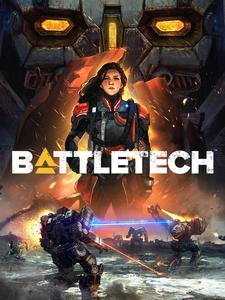 BattleTech2018, critic score 82
 Signalis2022, critic score 85
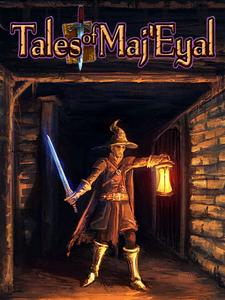 Tales of Maj'Eyal2012
 Gods Will Be Watching2013, critic score 64
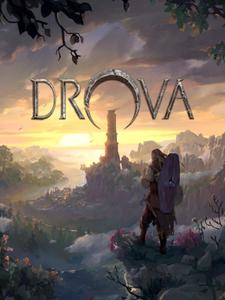 Drova: Forsaken Kin2024, critic score 76
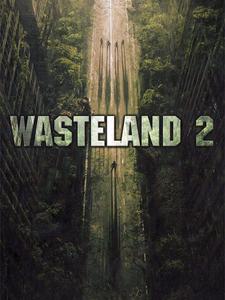 Wasteland 22014, critic score 78
 Lisa: The Painful2014
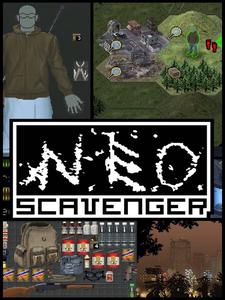 NEO Scavenger2014, critic score 73
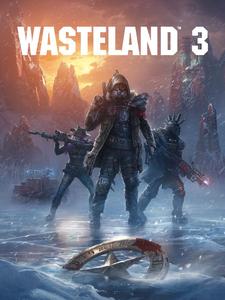 Wasteland 32020, critic score 87
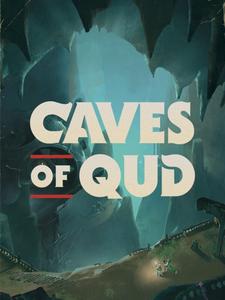 Caves of Qud2024, critic score 94
Remakes & Remasters
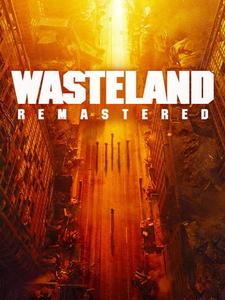
Add-ons & Ports

About storefront and compatibility information
Compatibility, feature and availability information shown on this page is recorded from the storefronts and services named against each fact, on the dates shown. Steam and the Steam logo are trademarks of Valve Corporation; Steam data is provided via the Steam Web API. Other product and service names are trademarks of their respective owners. CritScore is not affiliated with, endorsed by, sponsored by or certified by Valve Corporation or any other storefront or platform holder, and does not itself test or certify any game.
