Age of Empires: Mythologies
- First release
- Nov 24, 2008
- Developer
- Griptonite Games
- Publisher
- THQ
- Genres
- Strategy, Turn-based strategy (TBS) · Fantasy, Historical
- Platforms
- Nintendo DS
Attributes
Details
Storyline, release dates, time to beat, age ratings, modes, links, keywords
- Storyline
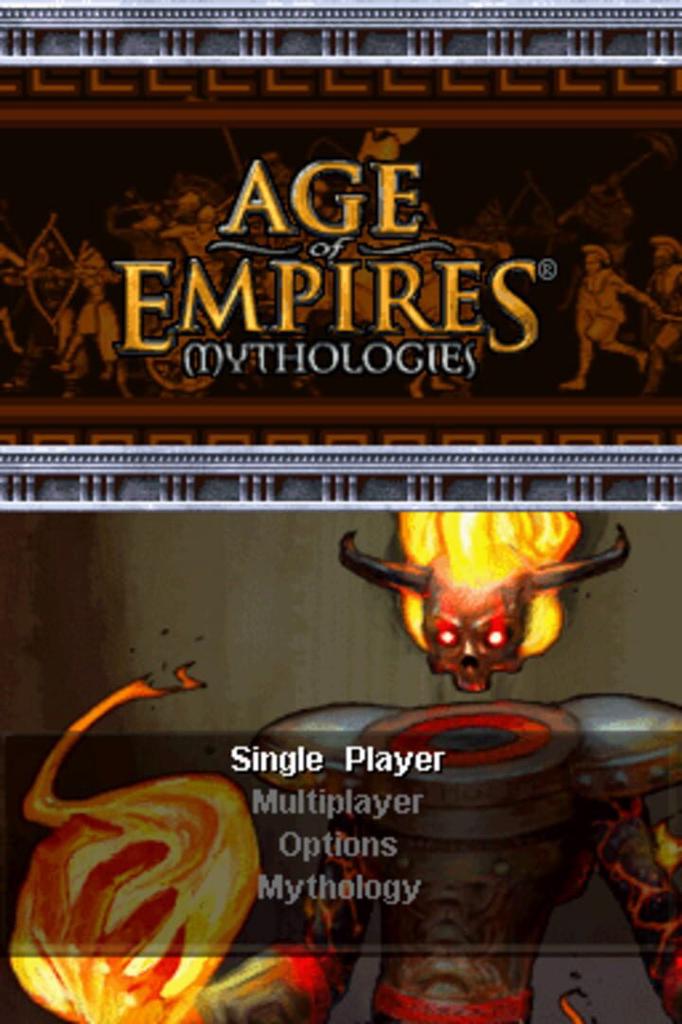
Like the original Age of Mythology, there are three civilizations available – Greek, Egyptian and Norse – each with their own unique units, buildings, powers and method of obtaining favor. Each has three "major gods" to choose from before each game – Zeus, Hades and Poseidon for the Greeks; Ra, Isis and Set for the Egyptians, and Odin, Thor and Loki for the Norse. Additionally, each has "minor gods" to select from every time the player advances an age, with all deities granting the player unique technologies, perks, myth units and God powers that are used to damage or benefit players. There are three types of base unit – humans, heroes and myth units, the latter two being mythical figures or creatures from the historical civilization's mythology and legends. A rock-paper-scissors model governs which units are best suited against others; for example, humans are good against heroes but weak against myth units. Every unit also has a sub-category such as heavy infantry or archers, again with each being better suited against certain others. Human units include hoplites or chariot archers, heroes include Odysseus and Ramesses, and myth units include Cyclopes and giants. The Campaign is divided into 8 scenarios for all three civilizations, set into separate campaigns, the first one, the Egyptian one focuses of Hatshepsut and her father Thutmose defeating Set's son Setekh, after investigating bandit raids near Memphis.Read more
Like the original Age of Mythology, there are three civilizations available – Greek, Egyptian and Norse – each with their own unique units, buildings, powers and method of obtaining favor. Each has three "major gods" to choose from before each game – Zeus, Hades and Poseidon for the Greeks; Ra, Isis and Set for the Egyptians, and Odin, Thor and Loki for the Norse. Additionally, each has "minor gods" to select from every time the player advances an age, with all deities granting the player unique technologies, perks, myth units and God powers that are used to damage or benefit players. There are three types of base unit – humans, heroes and myth units, the latter two being mythical figures or creatures from the historical civilization's mythology and legends. A rock-paper-scissors model governs which units are best suited against others; for example, humans are good against heroes but weak against myth units. Every unit also has a sub-category such as heavy infantry or archers, again with each being better suited against certain others. Human units include hoplites or chariot archers, heroes include Odysseus and Ramesses, and myth units include Cyclopes and giants. The Campaign is divided into 8 scenarios for all three civilizations, set into separate campaigns, the first one, the Egyptian one focuses of Hatshepsut and her father Thutmose defeating Set's son Setekh, after investigating bandit raids near Memphis.
- Release dates
- Nintendo DS
- Nov 24, 2008
- Nintendo DS
- Dec 05, 2008
- Nintendo DS
- Feb 06, 2009
- Game modes
- Multiplayer, Single player
- Perspective
- Bird view / Isometric
- External links
- Wikipedia (opens in a new tab)Instagram (opens in a new tab)Fandom (opens in a new tab)Discord (opens in a new tab)Official site (opens in a new tab)Twitch (opens in a new tab)YouTube (opens in a new tab)Facebook (opens in a new tab)X (opens in a new tab)
- Keywords
- construction, turn-based, horse, mythology, management
… All 13
, horse, mythology, management, farming, snow, natural disaster, touch controls, non-player character, supply and demand, wall building, macromanagement
At a Glance
- Critic Score
- 60
Media
Screenshots
Videos
Community
Player reviews
Be the first to review
Behind the game
Related
Similar games
 Shogun: Total War2000, critic score 90
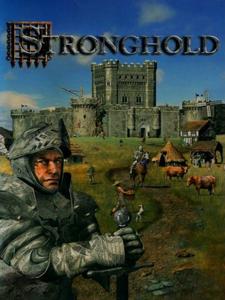 Stronghold2001
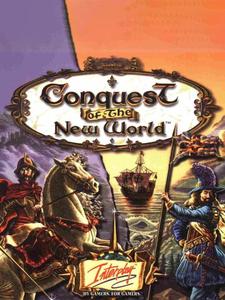 Conquest of the New World1996, critic score 85
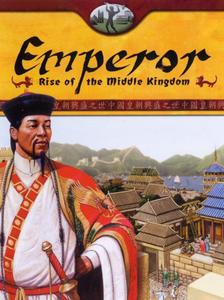 Emperor: Rise of the Middle Kingdom2002, critic score 80
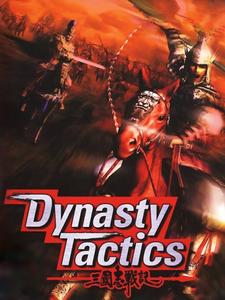 Dynasty Tactics2002
 Medieval: Total War2002, critic score 90
 Yu-Gi-Oh! Power of Chaos: Joey the Passion2004
 Yu-Gi-Oh! Power of Chaos: Yugi the Destiny2003
 Imperialism II: Age of Exploration1999, critic score 80
 Yu-Gi-Oh! Forbidden Memories1999, critic score 59
