

- First release
- Jun 24, 1999
- Publisher
- Capcom
- Genres
- Fighting · Action, Fantasy
- Platforms
- PlayStation, PlayStation 3, PlayStation Portable
Attributes
Details
Storyline, release dates, time to beat, age ratings, modes, links, keywords
- Storyline
The story introduces the player to a Japanese city called Aoharu City, where several local schools are the victims of unknown attacks and kidnappings of students and staff. The various characters in the game set out to find who is responsible for the attacks on their school, with the cut-scenes and fights portraying their interactions with the other schools and among themselves. Eventually, the story reveals that an elite school in the city, Justice High, is responsible for the attacks. The player's team eventually faces off against Raizo Imawano, the principal of the school, and first boss of the game. If certain requirements are met during the fight against Raizo, the story continues and the players play a last fight against Hyo Imawano, Raizo's nephew and the true mastermind behind the events of the game. The structure of the single player game of Rival Schools varied depending on how characters were selected. If two characters from the same school were selected (with a few exceptions), single-player would play in a progressing story with fights predetermined beforehand and each fight preceding and ending with short 2D cut-scenes to explain the story. If two characters from different schools were chosen, the single-player mode would instead play similar to other fighting games, with the player's chosen team fighting against random teams of opponents before facing the boss. In the arcade, character selection was initially limited to selecting two characters from the same school and free selection of any character was accessed through time; the PlayStation versions, which included all characters unlocked by default, had no such restrictions.Read more
The story introduces the player to a Japanese city called Aoharu City, where several local schools are the victims of unknown attacks and kidnappings of students and staff. The various characters in the game set out to find who is responsible for the attacks on their school, with the cut-scenes and fights portraying their interactions with the other schools and among themselves. Eventually, the story reveals that an elite school in the city, Justice High, is responsible for the attacks. The player's team eventually faces off against Raizo Imawano, the principal of the school, and first boss of the game. If certain requirements are met during the fight against Raizo, the story continues and the players play a last fight against Hyo Imawano, Raizo's nephew and the true mastermind behind the events of the game. The structure of the single player game of Rival Schools varied depending on how characters were selected. If two characters from the same school were selected (with a few exceptions), single-player would play in a progressing story with fights predetermined beforehand and each fight preceding and ending with short 2D cut-scenes to explain the story. If two characters from different schools were chosen, the single-player mode would instead play similar to other fighting games, with the player's chosen team fighting against random teams of opponents before facing the boss. In the arcade, character selection was initially limited to selecting two characters from the same school and free selection of any character was accessed through time; the PlayStation versions, which included all characters unlocked by default, had no such restrictions.
- Release dates
- PlayStation
- Jun 24, 1999
- PlayStation 3
- Jul 08, 2015
- PlayStation Portable
- Jul 08, 2015
- Game modes
- Multiplayer, Single player
- Perspective
- Side view
- Keywords
- high score, playstation network, digital distribution, psone classics, playstation tv support
… All 7
, playstation network, digital distribution, psone classics, playstation tv support, backwards compatibility, japan only

How it plays
Languages
- 日本語interface, audio, subtitles
Language data: IGDB · recorded 28 Oct 2026
Media
Screenshots
Videos
Community
Player reviews
Be the first to review
Behind the game
Related
Similar games
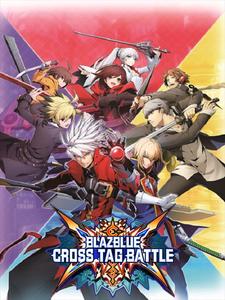 BlazBlue: Cross Tag Battle2018, critic score 77
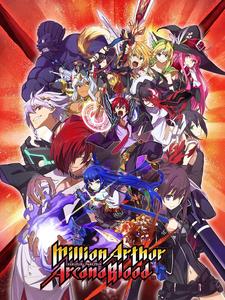 Million Arthur: Arcana Blood2017
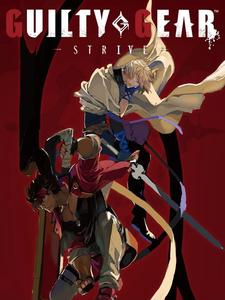 Guilty Gear: Strive2021, critic score 83
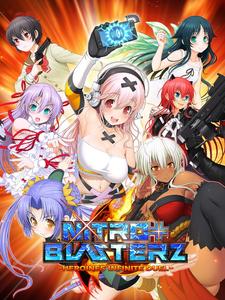 Nitroplus Blasterz: Heroines Infinite Duel2015, critic score 72
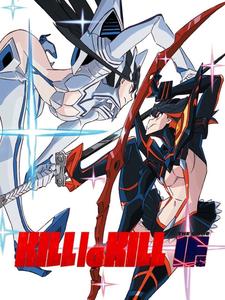 Kill la Kill: If2019, critic score 57
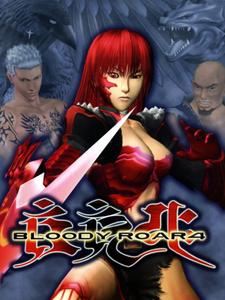 Bloody Roar 42003, critic score 86
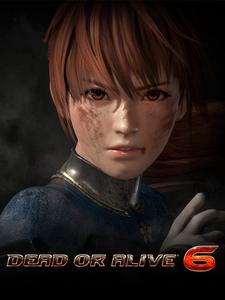 Dead or Alive 62019, critic score 73
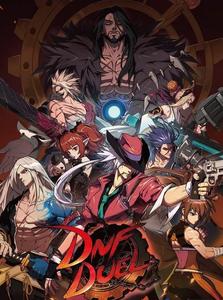 DNF Duel2022, critic score 85
 Mortal Kombat 12023, critic score 84
 Dragon Ball Z: Infinite World2008, critic score 35
