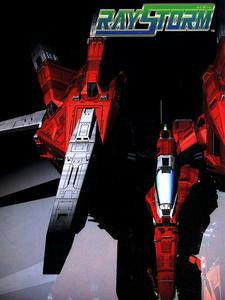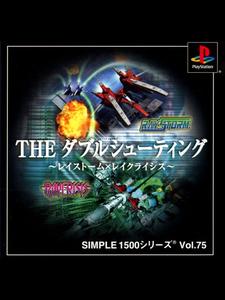
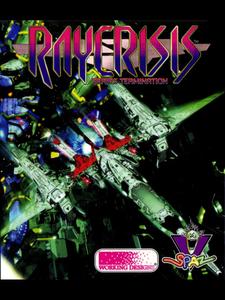
RayCrisis: Series Termination
- First release
- Nov 15, 1998
- Publisher
- Square Enix, Micro Bank, Working Designs, Sourcenext, CyberFront, JVC, Taito
- Engine
- Taito G-NET
- Genres
- Shooter · Action, Science fiction
Attributes
Details
Storyline, release dates, time to beat, age ratings, modes, links, keywords
- Storyline
RayCrisis, being a prequel to RayForce, details the events during the timeframe of the supercomputer called the Neuro-Computer Con-Human gaining sentience and rebelling against its human creators, a direct result of a misguided scientist trying to bond a human clone to Con-Human mentally. Now, against Con-Human's massive attack forces laying siege to the Earth, exterminating and cloning humans, a mecha-neurologist jacks in to the Con-Human system in an attempt to regain control of the rogue machine by means of the computer viruses, known as the Waveriders, into the Cybernetics Link, engaging Operation Raycrisis to cease the supercomputer's destructive actions permanently and prevent it from causing more havoc in the future. However, even when Operation Raycrisis leaves Con-Human wrecked from the inside, it was too late to reverse the damage it has done. Furthermore, what is left of the human race has left for the space colonies as refuge from the destruction. In the end, years later, with the unveiling of the X-LAY starfighter and the ships of the fleet, Terran Command and the remaining humans initiate one final assault on Con-Human, who has turned the Earth into a bleak, metal graveyard. One final assault, in which will end the cybernetic nightmare once and for all, destroying the planet they've called home in the process.Read more
RayCrisis, being a prequel to RayForce, details the events during the timeframe of the supercomputer called the Neuro-Computer Con-Human gaining sentience and rebelling against its human creators, a direct result of a misguided scientist trying to bond a human clone to Con-Human mentally. Now, against Con-Human's massive attack forces laying siege to the Earth, exterminating and cloning humans, a mecha-neurologist jacks in to the Con-Human system in an attempt to regain control of the rogue machine by means of the computer viruses, known as the Waveriders, into the Cybernetics Link, engaging Operation Raycrisis to cease the supercomputer's destructive actions permanently and prevent it from causing more havoc in the future. However, even when Operation Raycrisis leaves Con-Human wrecked from the inside, it was too late to reverse the damage it has done. Furthermore, what is left of the human race has left for the space colonies as refuge from the destruction. In the end, years later, with the unveiling of the X-LAY starfighter and the ships of the fleet, Terran Command and the remaining humans initiate one final assault on Con-Human, who has turned the Earth into a bleak, metal graveyard. One final assault, in which will end the cybernetic nightmare once and for all, destroying the planet they've called home in the process.
- Release dates
- Arcade
- Nov 15, 1998
- PlayStation
- Apr 20, 2000
- PocketStation
- Apr 20, 2000
All 10 release dates
- PlayStation
- Oct 13, 2000
- PlayStation
- Nov 25, 2000
- PlayStation
- Apr 26, 2004
- PlayStation 3
- Jul 09, 2008
- PlayStation Portable
- Jul 09, 2008
- Android
- Aug 08, 2017
- iOS
- Aug 08, 2017
- Game modes
- Split screen, Co-operative, Single player
- Perspective
- Bird view / Isometric
- External links
- App Store (opens in a new tab)Twitch (opens in a new tab)Wikipedia (opens in a new tab)
- Keywords
- shoot 'em up, shmup, playstation network, shared screen, digital distribution
… All 11
, playstation network, shared screen, digital distribution, polygonal 3d, psone classics, vertical scrolling, playstation tv support, backwards compatibility, realtime 3d
How it plays
Languages
- Englishinterface
- 日本語interface
Language data: IGDB · recorded 2 Oct 2026