Amiga
Explore games and details for Amiga.
- Games:
- 2,490
- Hardware models:
- 4
Hardware
In 1982, the Amiga Corporation developed "Lorraine" a computer that was named after the wife of the company's president. Amiga incorporated a 16-bit 68000 chip as Lorraine's CPU. Lorraine featured two dedicated graphics and sound chips. By the time Lorraine was introduced at the Consumer Electronics Show on January 4, 1984, the developmental costs that Amiga had devoted to it had exceeded its resources. After Atari showed interest in purchasing the company, Commodore stepped in to outbid the console giant and renamed the system the Amiga. Commodore made some slight modifications to the Amiga. The system's memory was upgraded to 256KB and the console was redesigned to accommodate keyboard storage underneath it. Commodore finally released the Amiga 1000 in July 1985 at a retail price of $1,295. It was compatible with home television sets and could be utilized for video editing. It featured a palette of 4,096 colors and was capable of 320 x 200 resolution. The system also featured a 3.5 inch floppy disk drive that could externally store up to 880KB. The "Paula" sound chip enabled programs to be heard in stereo. The system featured two mouse/controller ports. Such peripherals as joysticks, light pens or game paddles could be used with the system. Even in its early stages of release, Commodore chose to promote the Amiga as a game machine. The "kickstart" was a small part of the operating system that was contained in the ROM. The Amiga performed a kickstart or initiated the loading of the operating system itself every time the computer was activated. To fully load the operating system a 3.5 inch AmigaDos disk needed to be inserted into the external drive. Every time the computer was shut off, the operating system was lost from memory and needed to be reloaded. The Amiga 1000 was capable of "multitasking." A concept similar to Windows 95, multitasking allowed users to keep two or more programs open at one time and instantly switch between them. The "Workbench" was the Amiga's file manager. Workbench allowed users to open windows and run programs. In 1987, Commodore released the Amiga 500 and the Amiga 2000. The Amiga 500 was a compact system that became the best selling computer in the Amiga line. Among the improvements Commodore incorporated into the Amiga 500 were an updated operating system (AmigaDOS 1.2), 512KB RAM and a bigger keyboard. The Amiga 2000 featured a new computer case design, expansion slots and a CPU slot for future processor upgrades. It was powered by a 68000 microprocessor. The Amiga 3000 improved on the Amiga 2000 by offering new Zorro III expansion slots, an integrated SCSI interface and a built-in hard drive. It used a 68030 32-bit microprocessor and a new version of Workbench. In 1992 Commodore released the Amiga 600. Commodore promoted the system as a video game console with a keyboard. It quickly vanished from store shelves. Later that year Commodore released the Amiga 4000 and the Amiga 1200. The 4000 featured the speedy 68040 processor. It could display up to 256,000 colors on-screen at once. The 1200 was a compact system that combined the CPU, keyboard and disk drive into a single unit. It was similar in design to the Amiga 500. It utilized the 68020 processor and could run at 14.28MHz. In October 1993 Commodore introduced the Amiga CD 32. This 32-bit CD-ROM based add-on featured a palette of 17 million colors. It retailed for $400 and had a built-in catalog of software because it was compatible with game titles for the failed Commodore CDTV multimedia system. Timing for the CD 32's release was not perfect. Several other CD-ROM based gaming consoles, like the 3DO and Sega CD, were released at the same time and flooded the market. The Amiga CD 32 system never gained a following. Unfortunately, software developers rarely released programs that displayed the full potential of the Amiga's impressive graphics. The system was much more technologically advanced than its competitors. Ultimately the Amiga was viewed as an expensive gaming console, and as software support dwindled, so did sales. On April 29, 1994 Commodore announced that it was in the process of closing the company.
- CPU
- Motorola 68000 @ 7.16 MHz (NTSC) 7.09 MHz (PAL)
- Memory
- 512 kB (9 MB maximum)
- Media
- 880 kB floppy disks
- Resolutions
- 736x567i 4-bpp PAL (736x483i 4 bpp NTSC), 368x567i 6 bpp PAL (368x483i 6 bpp NTSC)
- Sound
- 4× 8-bit channels PCM at max 28 kHz with 6-bit volume in stereo
- Operating system
- AmigaOS v1.2 - 1.3
Games metadata is powered by IGDB.com (opens in a new tab) · recorded 1 Nov 2026
Top Rated
The highest rated games on this platform
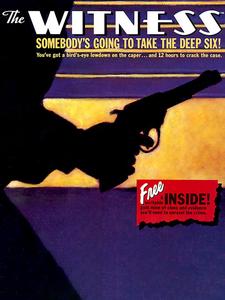
Critic score 96The Witness1983, critic score 96
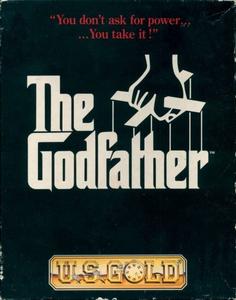
Critic score 72The Godfather1991, critic score 72
Critic score 75Breach1987, critic score 75
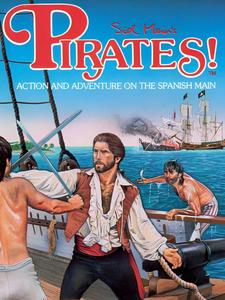
Critic score 71Sid Meier's Pirates!1987, critic score 71
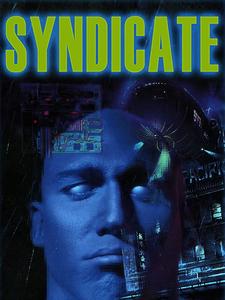
Critic score 69Syndicate1993, critic score 69
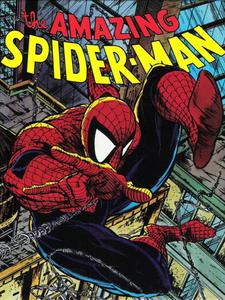
Critic score 68The Amazing Spider-Man1990, critic score 68
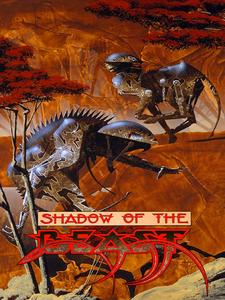
Critic score 63Shadow of the Beast1989, critic score 63
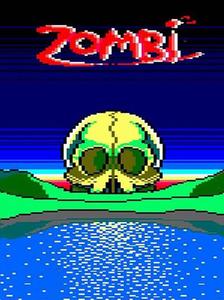
Critic score 68Zombi1986, critic score 68
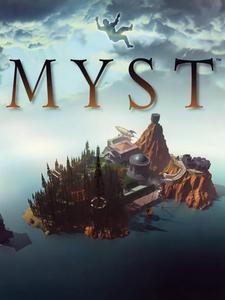
Critic score 55Myst1993, critic score 55
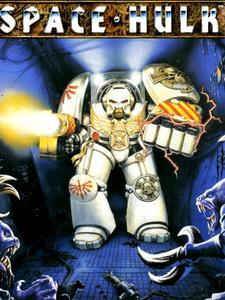
Critic score 53Space Hulk1993, critic score 53
Critic score 85X-COM: UFO Defense1994, critic score 85
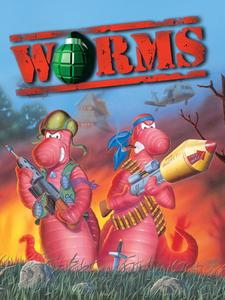
Critic score 80Worms1995, critic score 80
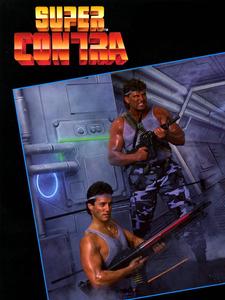
Critic score 58Super Contra1988, critic score 58
Critic score 80Platoon1987, critic score 80
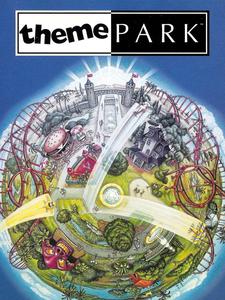
Critic score 79Theme Park1994, critic score 79
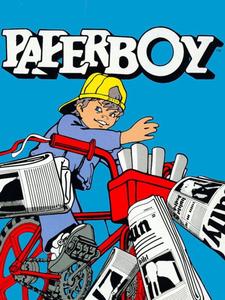
Critic score 77Paperboy1984, critic score 77
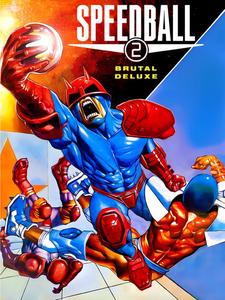
Critic score 75Speedball 2: Brutal Deluxe1990, critic score 75
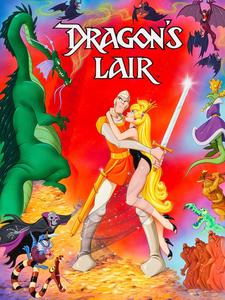
Critic score 53Dragon's Lair1983, critic score 53
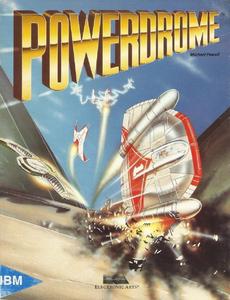
Critic score 72Powerdrome1988, critic score 72
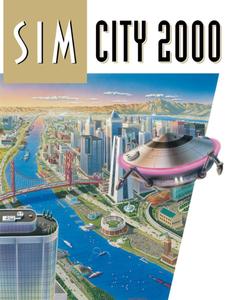
Critic score 71SimCity 20001993, critic score 71
Latest Releases
The newest releases on this platform
- RRoguecraft2024
Le Miroir d'Ozivior2024

Tony: Montezuma's Gold2024- AAmiWordle2024
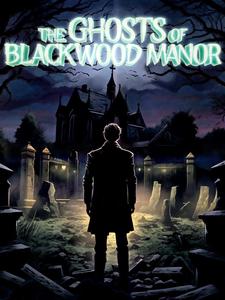
The Ghosts of Blackwood Manor2023
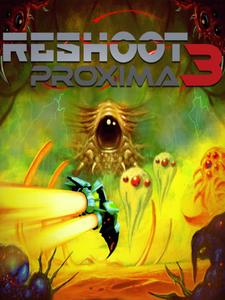
Reshoot Proxima 32023- MLMemory Lane2023
Silverman y el Tesoro del San Juan2022
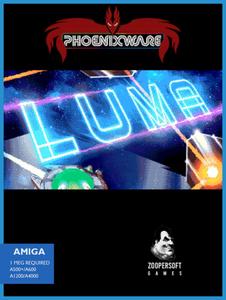
Luma2022

NeonNoir2022
Tenebra 22022
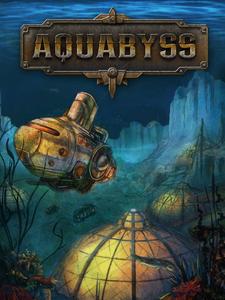
Aquabyss2022
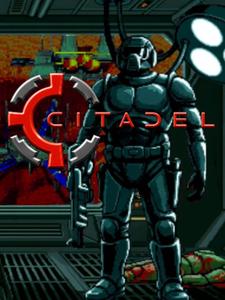
Citadel RemonsteredExpanded2022
Tenebra2021
Turbo Tomato2021
Furtum Sacrum2020
Zgr3d2020
Astro Blox Revisited2020- SRSanta Run2020
Duckstroma2020