Journey
- First release
- Mar 13, 2012
- Developer
- ThatGameCompany
- Engine
- PhyreEngine
- Platforms
- PC (Microsoft Windows), PlayStation 3, iOS, PlayStation 4
Attributes
Details
Storyline, release dates, time to beat, age ratings, modes, links, keywords
- Storyline
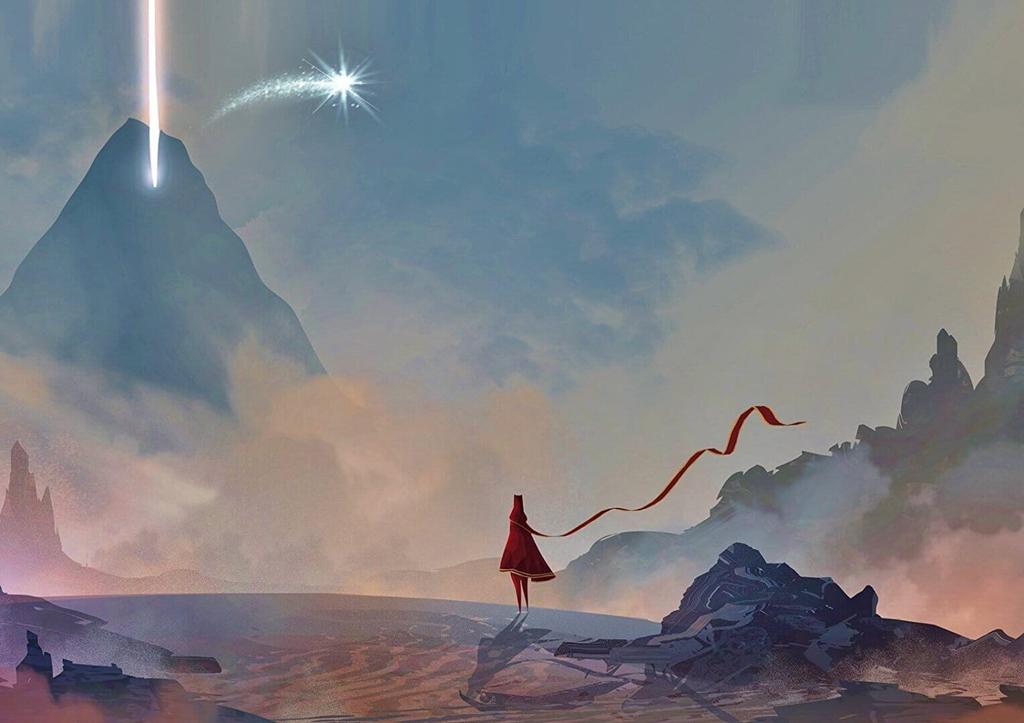
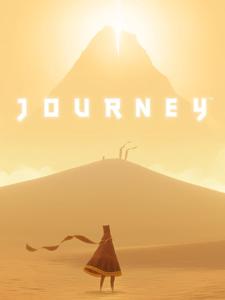
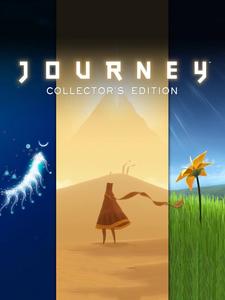
Journey 's story is told wordlessly through in-game and pre-rendered cutscenes. The player's character begins on a sand dune in a seemingly endless desert. In the far distance looms a large, foreboding mountain with a glowing crevice that splits its peak. As the character approaches the mountain, they find remnants of a once-thriving civilization, eroded by sand over time. Scattered throughout the ruins at the end of each area are stones at which the traveler rests; these give the traveler the vision of meeting a larger, white-robed figure in a circular room, with art on the walls describing the rise and fall of the civilization, mirroring the player's journey. The player continues to journey deeper into the remains of a once sprawling city at the base of the mountain. Eventually making it safely to the mountain, the traveler begins to climb it, struggling as they enter the colder climates and encounter deep snow and high winds. With the crevice still a fair distance away, the traveler falls and collapses in the snow. Six of the white-robed figures appear and grant the traveler new energy, allowing the player to reach the summit of the mountain and walk into and through the crevice as the screen fills with white. The player is then shown the game's credits, playing over the ending cinematic. This cinematic shows a shooting star emanating from the crevice and traversing the path the traveler took through the ruins, and shows glimpses of other robed travelers heading towards the mountain. Eventually, the star comes to rest at the sand dune where the game began, and the player is given the option of starting the game again. As the credits end, the player is shown the PlayStation Network IDs of the other travelers who shared part of the trek.Read more
Journey 's story is told wordlessly through in-game and pre-rendered cutscenes. The player's character begins on a sand dune in a seemingly endless desert. In the far distance looms a large, foreboding mountain with a glowing crevice that splits its peak. As the character approaches the mountain, they find remnants of a once-thriving civilization, eroded by sand over time. Scattered throughout the ruins at the end of each area are stones at which the traveler rests; these give the traveler the vision of meeting a larger, white-robed figure in a circular room, with art on the walls describing the rise and fall of the civilization, mirroring the player's journey. The player continues to journey deeper into the remains of a once sprawling city at the base of the mountain. Eventually making it safely to the mountain, the traveler begins to climb it, struggling as they enter the colder climates and encounter deep snow and high winds. With the crevice still a fair distance away, the traveler falls and collapses in the snow. Six of the white-robed figures appear and grant the traveler new energy, allowing the player to reach the summit of the mountain and walk into and through the crevice as the screen fills with white. The player is then shown the game's credits, playing over the ending cinematic. This cinematic shows a shooting star emanating from the crevice and traversing the path the traveler took through the ruins, and shows glimpses of other robed travelers heading towards the mountain. Eventually, the star comes to rest at the sand dune where the game began, and the player is given the option of starting the game again. As the credits end, the player is shown the PlayStation Network IDs of the other travelers who shared part of the trek.
- Release dates
- PlayStation 3
- Mar 13, 2012
- PlayStation 3
- Mar 14, 2012
- PlayStation 3
- Mar 15, 2012
All 7 release dates
- PlayStation 4
- Jul 21, 2015
- PlayStation 4
- Jul 23, 2015
- PC (Microsoft Windows)
- Jun 06, 2019
- iOS
- Aug 06, 2019
- Time to beatIGDB · recorded
- Main Story
- 2h
- Main + Extras
- 3h
- Completionist
- 6h
- Age ratings
- ESRB EGRAC ALLClassInd LPEGI 7
- Game modes
- Co-operative, Multiplayer, Single player
- Perspective
- Side view, Third person
- Where to buy
- External links
- App Store (opens in a new tab)Instagram (opens in a new tab)Wikipedia (opens in a new tab)Fandom (opens in a new tab)App Store (opens in a new tab)Steam (opens in a new tab)Twitch (opens in a new tab)Official site (opens in a new tab)YouTube (opens in a new tab)X (opens in a new tab)Facebook (opens in a new tab)
- Keywords
- exploration, 3d, flight, graphic adventure, hiding
… All 34
, graphic adventure, hiding, snow, silent protagonist, 3d platformer, playstation network, platform exclusive, playstation trophies, 60 fps on consoles, polygonal 3d, game reference, motion control, original soundtrack release, playstation plus, auto-saving, gamescom 2014, no hud, water level, no dialogue, dynamic soundtrack, gliding, ambient music, behind the waterfall, game developers choice awards 2013, bafta games award, d.i.c.e. awards 2013, sixaxis support, journey, gamescom 2010, postmodernism, desert
At a Glance
- Critic Score
- 94
- Main Story (IGDB)
- 2h
- Main + Extras (IGDB)
- 3h
- Completionist (IGDB)
- 6h

Overview
Steam review summary
Steam users rate this Very Positive, 34,979 reviews in all languages, recorded 16 October 2026
Valve's summary of Steam user reviews. Valve counts only reviews from purchases on Steam, not key activations, and leaves out review periods it has marked as off-topic. It isn't part of the CritScore score.
Review summary: SteamSteam data provided via the Steam Web API (opens in a new tab)Not affiliated with Valve →
Multiplayer
- Online multiplayerIGDB · 27 Oct
- Online co-opSteam · 16 Oct
- Co-op campaignIGDB · 27 Oct
- Drop-in, drop-out co-opIGDB · 27 Oct
Feature data: SteamFeature data: IGDBSteam data provided via the Steam Web API (opens in a new tab)Not affiliated with Valve →
How it plays
From Steam
- Beautiful
- Atmospheric
- Adventure
- Indie
- Exploration
- Relaxing
- Great Soundtrack
- Walking Simulator
Tags: SteamSteam data provided via the Steam Web API (opens in a new tab)Not affiliated with Valve →
Languages
- Englishinterface, subtitles
- Deutschinterface, subtitles
Language data: IGDB · recorded 27 Oct 2026
Features
Input and devices
- Full controller support
- PlayStation 4 and PlayStation 5 controller support
- Steam Remote Play on phone
- Steam Remote Play on tablet
- Steam Remote Play on TV
Steam features
- Steam Achievements
- Steam Cloud saves
- Steam Family Sharing
Feature data: SteamSteam data provided via the Steam Web API (opens in a new tab)Not affiliated with Valve →
Steam Deck
Valve rates this game Verified · recorded 16 Oct 2026
Check on Steam →Steam Deck compatibility data: Valve, via the Steam Web APISteam data provided via the Steam Web API (opens in a new tab)Not affiliated with Valve →
Media
Screenshots
Videos
Community
Player reviews
Be the first to review
Behind the game
Credits
Director
Composer
Credits from Wikidata (opens in a new tab) (CC0) · checked
Correct or remove a credit (email privacy@critscore.app)Awards
Won
- British Academy Games Award for Artistic Achievement — BAFTA Games Awards 2013
- British Academy Games Award for Audio Achievement — BAFTA Games Awards 2013
- British Academy Games Award for Game Design — BAFTA Games Awards 2013
- British Academy Games Award for Multiplayer — BAFTA Games Awards 2013
- British Academy Games Award for Music — BAFTA Games Awards 2013
- Annie Award for Best Animated Video Game — 2012
- Game Developers Choice Award - Best Design — Game Developers Choice Awards 2012
- Game Developers Choice Award - Game of the Year — Game Developers Choice Awards 2012
- Golden Geek Award for Most Innovative Game — Golden Geek Awards 2012
- Spike Video Game Awards
Nominated
- British Academy Games Award for Best Game — BAFTA Games Awards 2013
- British Academy Games Award for Game Innovation — BAFTA Games Awards 2013
- British Academy Games Award for Story — BAFTA Games Awards 2013
- Golden Geek Award for Best Indie Video Game — Golden Geek Awards 2012
- Golden Geek Award for Best Video Game Visuals/Artwork — Golden Geek Awards 2012
From Wikidata (opens in a new tab) (CC0) · checked
Related
Similar games
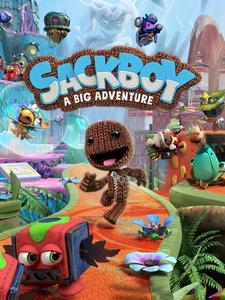 Sackboy: A Big Adventure2020, critic score 85
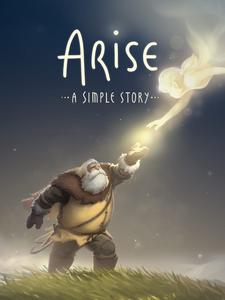 Arise: A Simple Story2019, critic score 86
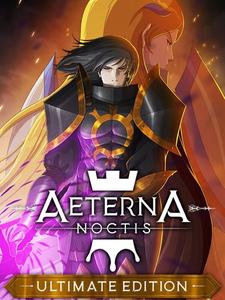 Aeterna Noctis2021, critic score 78
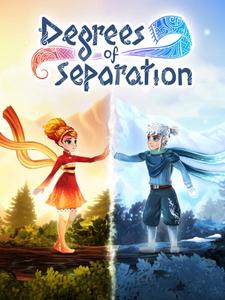 Degrees of Separation2019, critic score 70
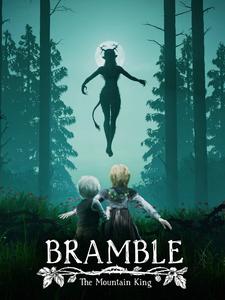 Bramble: The Mountain King2023, critic score 68
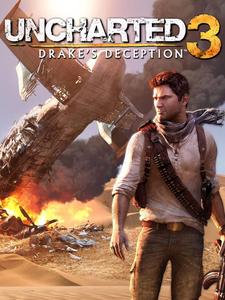 Uncharted 3: Drake's Deception2011, critic score 93
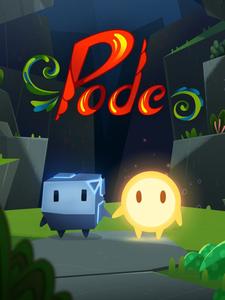 Pode2018, critic score 76
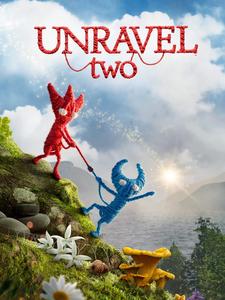 Unravel Two2018, critic score 81
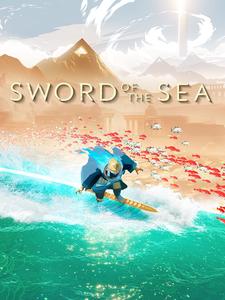 Sword of the Sea2025, critic score 84
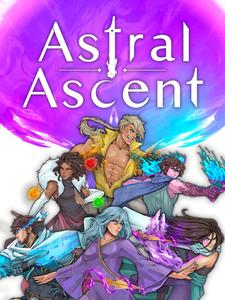 Astral Ascent2023, critic score 92
Add-ons & Ports
About storefront and compatibility information
Compatibility, feature and availability information shown on this page is recorded from the storefronts and services named against each fact, on the dates shown. Steam and the Steam logo are trademarks of Valve Corporation; Steam data is provided via the Steam Web API. Other product and service names are trademarks of their respective owners. CritScore is not affiliated with, endorsed by, sponsored by or certified by Valve Corporation or any other storefront or platform holder, and does not itself test or certify any game.
